
"Portraits of an Icon" is an intimate, but comprehensive, photographic portrait of the Canadian National Vimy Memorial in France.
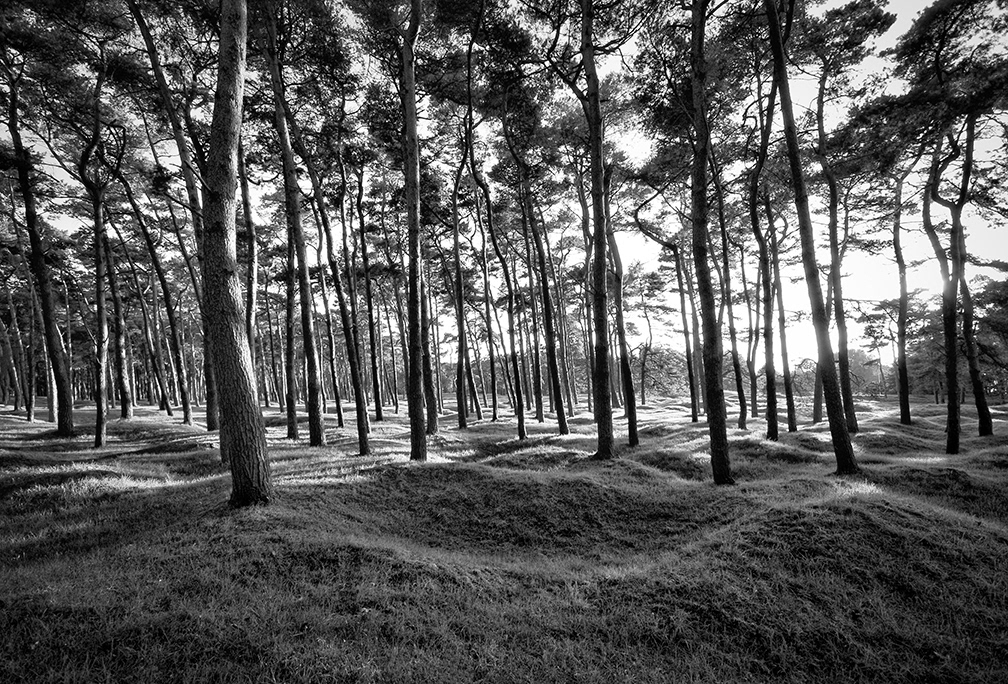
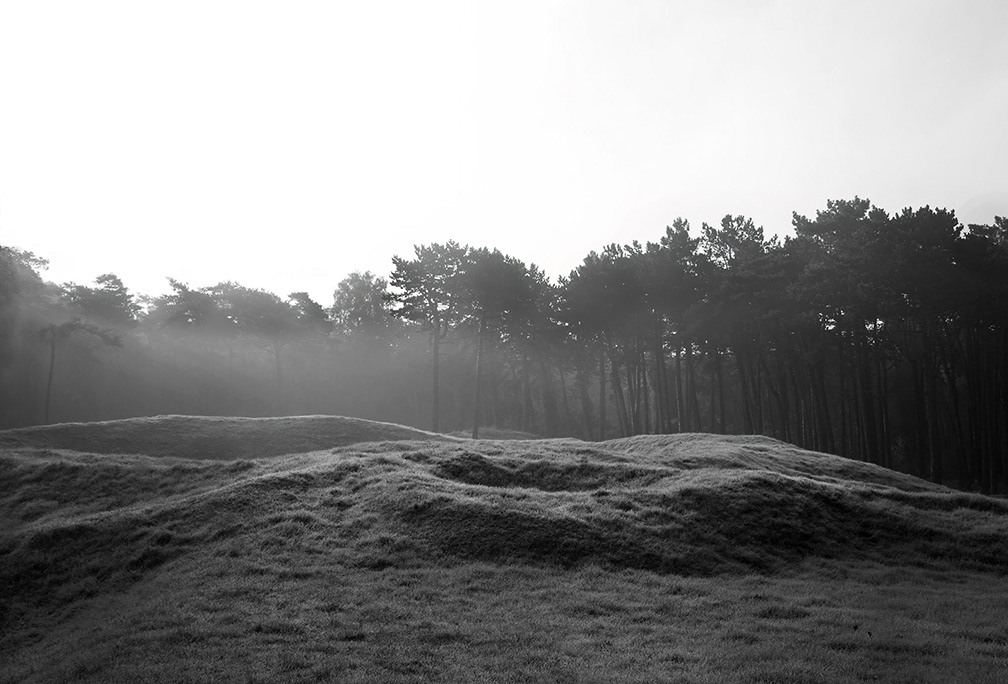
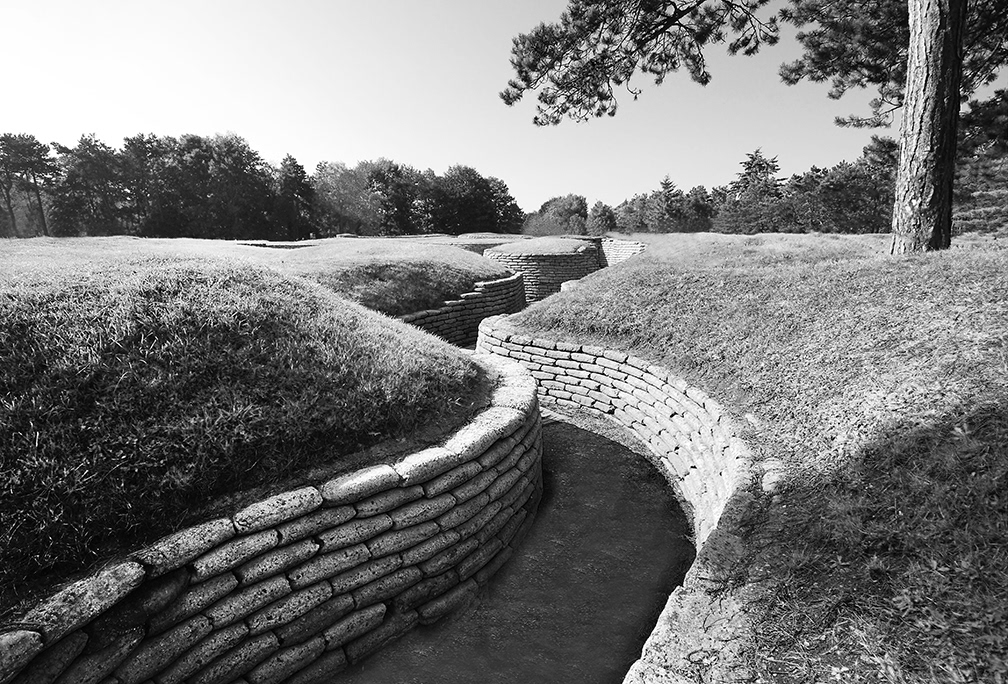
The photographs capture and interpret the many facets of the monument and site, from the crater scarred battlefields, to the twin towers acknowledging the fraternal efforts of Canada and France, to the twenty beautifully sculpted figures surrounding and ascending the monument.
To find out more visit : www.vimy.myportfolio.com
"Portraits of an Icon" book now available .. here.
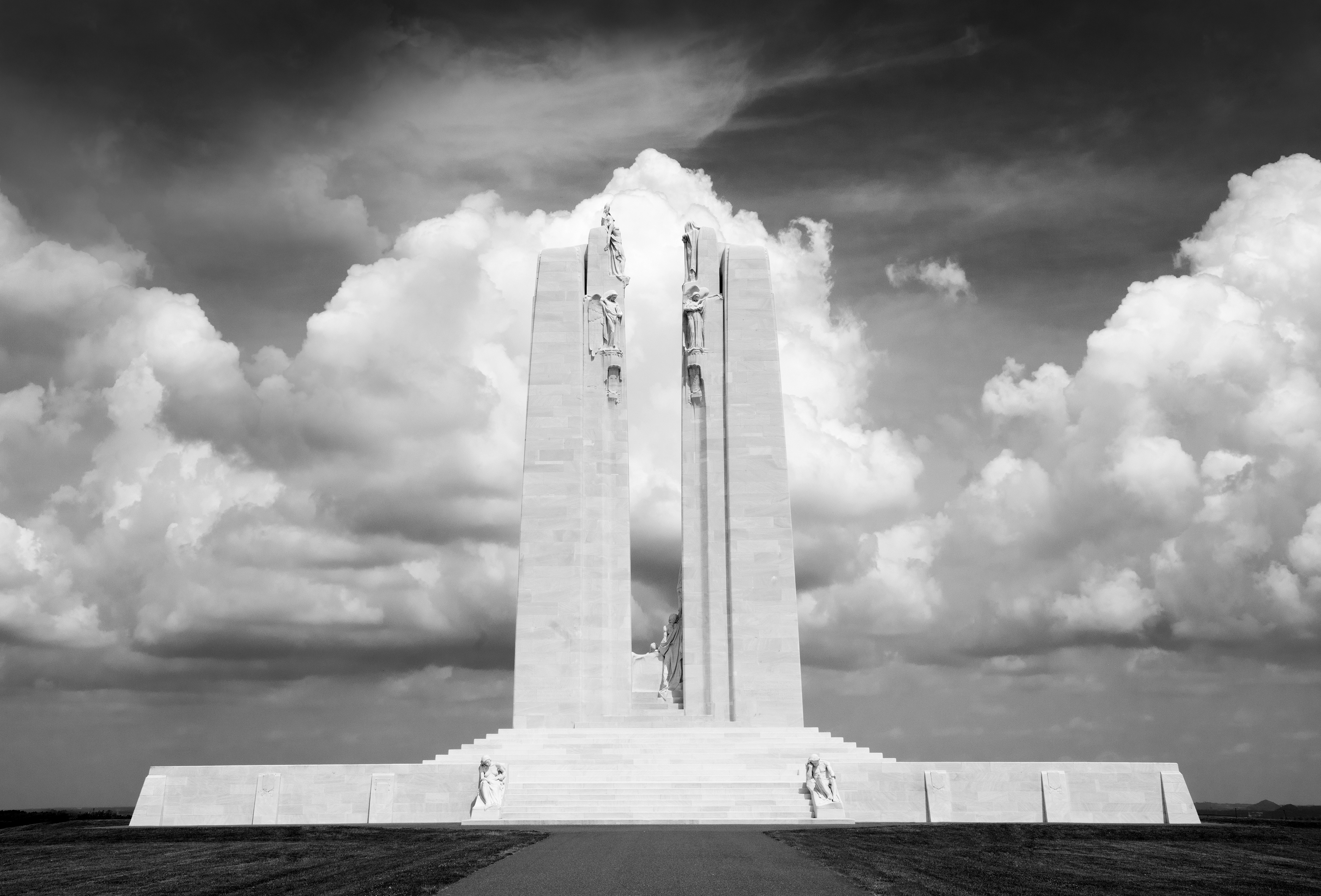
The Vimy Memorial is the largest and most significant memorial to Canadians lost in the First World War. It was designed by Canadian architect and sculptor Walter Allward and was constructed through the late 1920's and early 1930's on the site of the Battle of Vimy Ridge.
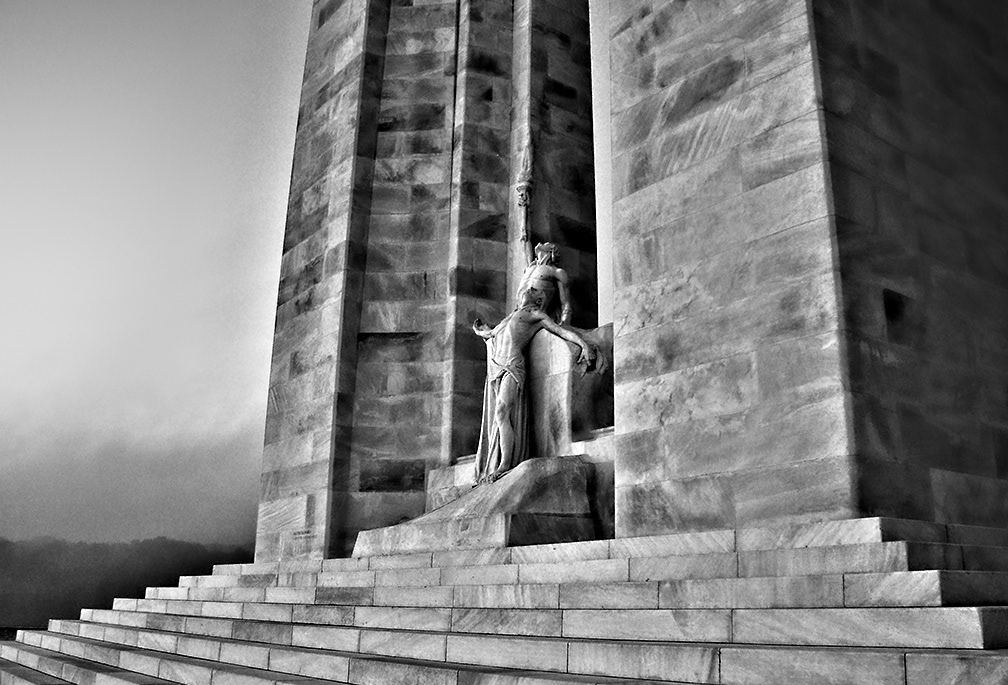
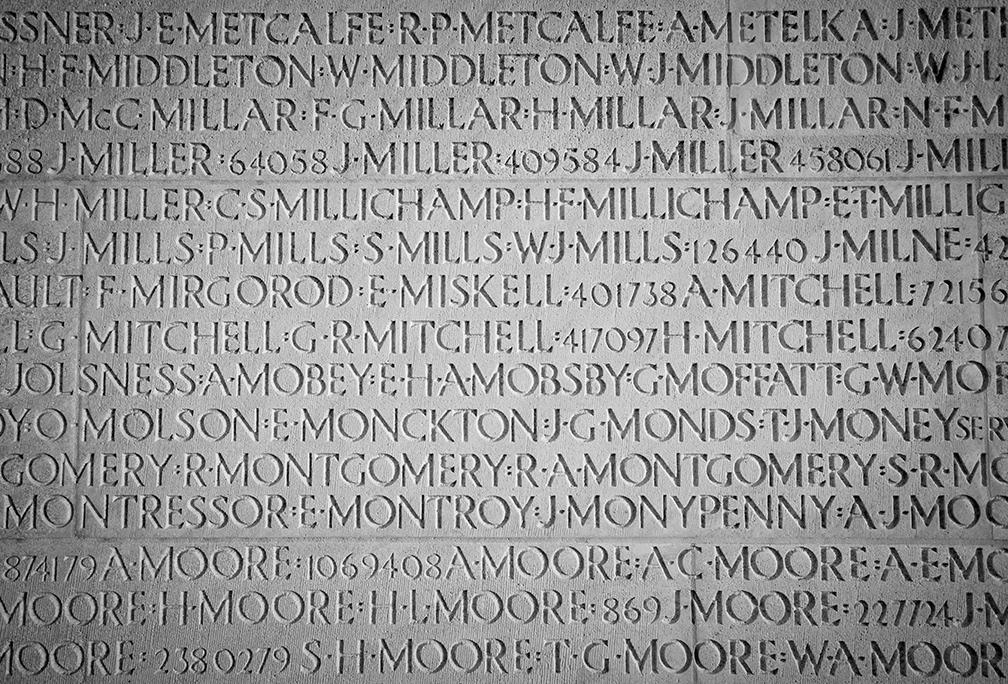
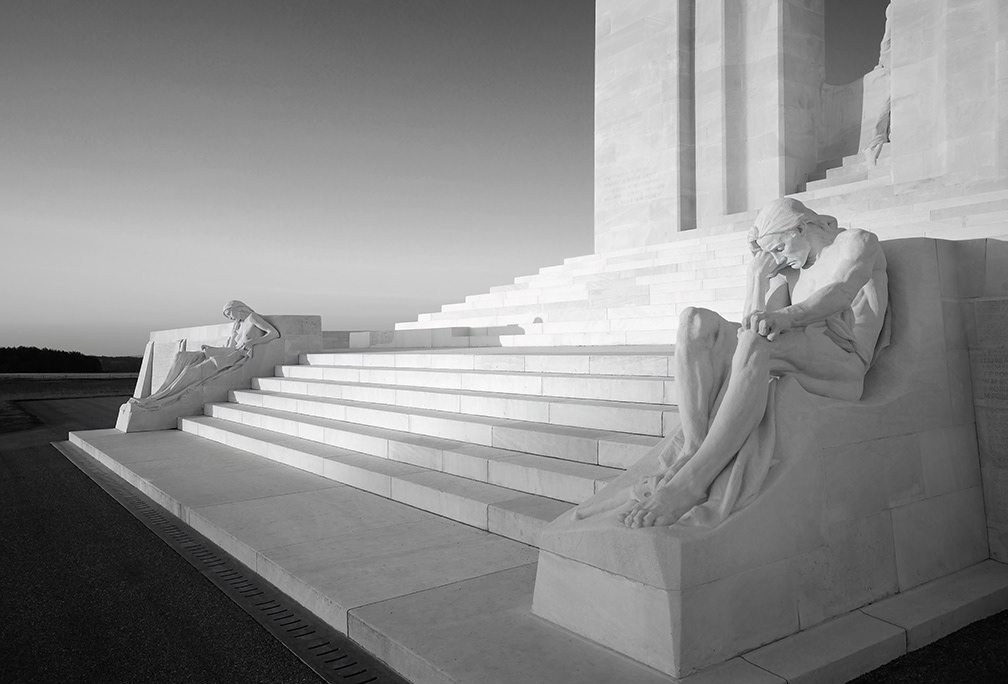
Unlike most war memorials, it is contemplative and sober rather than heroic and triumphant. In this sense, despite its enormous size, it becomes intimate and profoundly personal. The walls of the base of the memorial are inscribed with the names of 11,285 Canadian soldiers who died in France and whose final resting place was then unknown.
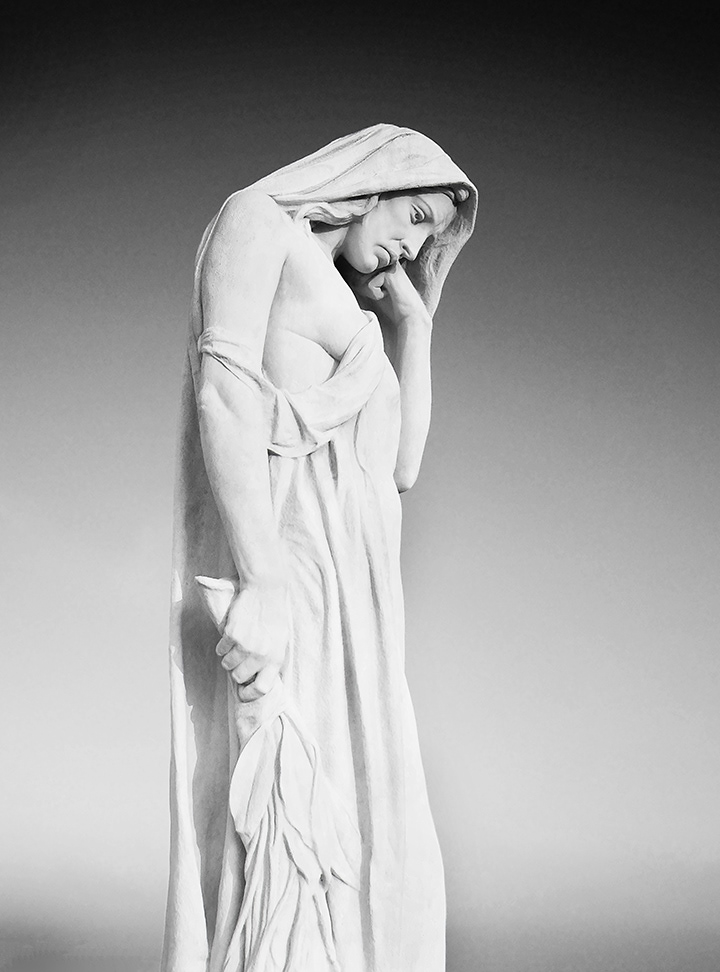
This is one of twenty highly symbolic figurative sculptures incorporated into the memorial, and is known as "Mother Canada". She is central to the monument and represents the young nation of Canada mourning her fallen sons.
The weeping figure is facing the Douai Plain, and is gazing downward toward the tomb of a fallen soldier. It is clearly reminiscent of traditional images of the Virgin Mary in mourning, and is possibly the most emotionally moving aspect of the memorial.
Large portions of the Vimy site have been left in their original state since the battle. The Vimy and nearby Beaumont Hamel Newfoundland Memorial sites contain 80% of the remaining intact WWI Western Front battlefields in Europe.
The Female and Male Mourners flank the steps leading up the front of the memorial.
To find out more visit : vimy.myportfolio.com
"Portraits of an Icon" book now available .. here.